Great Ships Initiative.
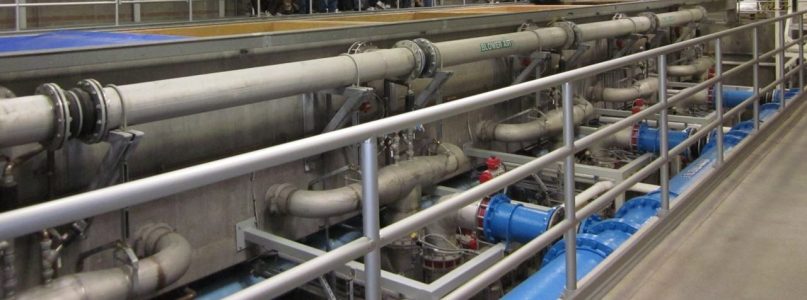
Ship-mediated invasive species is one of the most pressing and consequential environmental problems facing the region. The Institute used its unique position within the region to forge collaboration among groups possessing critical parts of the solution to catalyze progress, and generate the regional capacity necessary to effectively implement it. The Great Ships Initiative (GSI) fuses interests, expertise, and resources from the federal government, states, industry, environmental groups, cities, and ports in the United States and Canada to generate critical information and financial incentives for solving the problem of ship-mediated invasive species.
|
Revitalizing Older Cities.
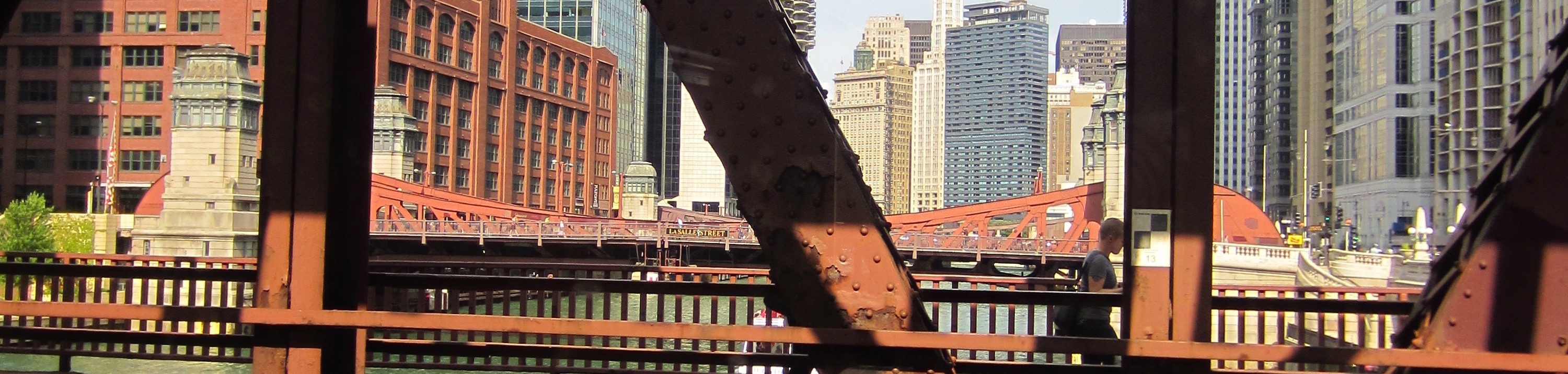
Some urban and metropolitan areas throughout the Northeast and Midwest have enjoyed stable population growth and rich economic prosperity throughout recent history. However, many of the region's historic cities - critical centers of industry, transportation, and American ingenuity - are suffering from dramatic reductions in population, traditional employment opportunities, and economic investment. Indeed, our nation's most economically challenged older industrial cities are concentrated in the Northeast-Midwest region. The Revitalizing Older Cities Initiative draws strategically on long-standing Institute policy expertise in brownfields, urban food availability and nutrition, energy efficiency and affordability, manufacturing revitaliztion, environmental restoration, transportation and infrastructure, housing, livable communities, and economic development.
|
Mississippi River Cities and Towns Initiative.
“Congressman Fincher (TN-8) speaks during the MRCTI press conference announcing the formation of the Mississippi River Caucus. Mr. Fincher was joined by Senator Harkin as well as Congressmen Kind (WI-3), Walz (MN-1), and Crawford (AR-1). 12 Mayors from 9 of the River states also joined the members.”
The Northeast-Midwest Institute (NEMWI) received a grant from the Walton Family Foundation to create a new and influential voice for the Mississippi River dramatically increasing demand for effective river protection, restoration and management in Washington, DC in 2012. NEMWI Mississippi River Cities and Towns Initiative (MRCTI) addresses matters of mutual concern, including:
- River water quality and habitat restoration,
- Flooding and floodplain issues,
- River-focused recreation,
- Sustainable economies,
- Celebration of the River culture and history.
|
Great Lakes Washington Program.
The Northeast-Midwest Institute’s: Great Lakes Washington Program serves to energize the bi-partisan Senate and House Great Lakes Task Forces (GLTF) through sponsoring briefings, researching federal policy options, and funding needs for programs that contribute to a clean environment, a strong economy, and high quality of life in the Great Lakes basin. The GLWP analyzes Great Lakes region policy and funding needs in coordination with the executive branch, Congress, and States, along with other Great Lakes experts, organizations and stakeholders. This program is unique in its ability to provide well-researched objective, unbiased, and non-partisan information.
|
Toward Sustainable Water Information.
Magnificent and productive water systems flow through and sustain the Northeast-Midwest region’s major population centers, valuable agricultural and rural assets, and diverse natural systems. Public concern over possible effects of recent large-scale developments such as hydraulic fracturing, agricultural practices, and urbanization raise an important first-order question: is the region’s water monitoring system adequate to support decision making?
|
Delaware River Basin Program.
The Northeast-Midwest Institute’s Delaware River Basin Program helps build sound bipartisan legislative strategies for ecosystem restoration for the four-state watershed (Delaware, New Jersey, New York, and Pennsylvania). The Institute program began in 2008 with a William Penn grant to the Northeast-Midwest Institute and the National Fish and Wildlife Foundation.
|
Invasive Species and Ships.
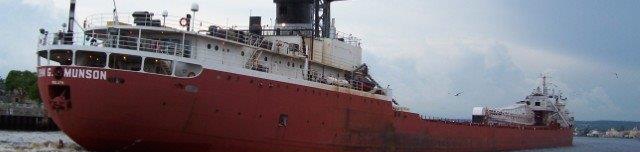
The Northeast-Midwest Institute (NEMWI) works to prevent aquatic invasive species (AIS) in the region through research into the Risk-Release relationship, as well as its Great Ships Initiative. The Risk-Release relationship asks the question “how clean is clean?” when it comes to ballast discharge. With little existing scientific information, the matter is subject to intense regional controversy and costly, conflicting regulatory responses. NEMWI’s project “Harmful Microbes in Ballast Water and the Great Lakes” investigated whether the tiniest of organisms merit concern, management, or monitoring.
|
Mississippi River Basin Program.
Launched in 1995, the Mississippi River Basin Program (MRBP) promotes policies advancing restoration of the Basin through informing and coordinating with policy- makers and other Basin stakeholders in Washington and the region. The MRBP supports the bipartisan Upper Mississippi River Basin Task Force, founded in 1997, by organizing educational briefings, formulating joint responses to emergencies, coordinating legislative efforts, tracking legislation and appropriations, and promoting initiatives.
|
|